• Fr Salib Suryal

    Fr Salib Suryal

    1916 – 1994

    Biography

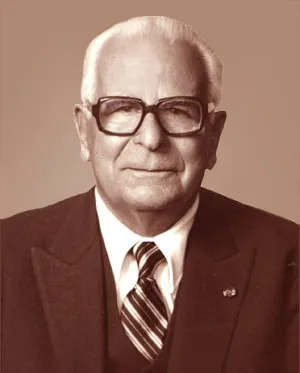
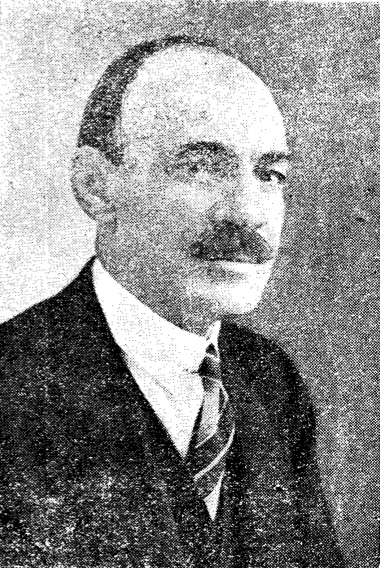
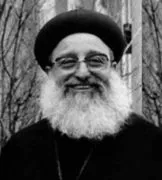
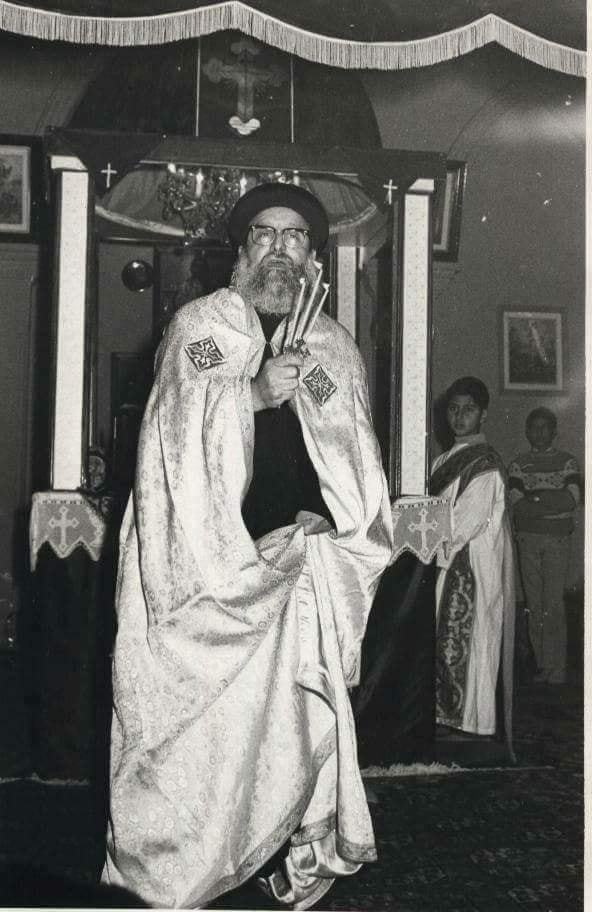
    Fr Salib Suryal (1916–1994) was a pioneering member of the Sunday School movement in Giza, renowned for its emphasis on practical service of the poor and pastoral care. He was born Wahib Zaky in 1916 in Tala, Munufiyya.[fn]Fr Salib Suryal, Aḥdāth kanasiyya ‘ishtu-hā wa ‘āyishtu-hā (Cairo: Coptic Orthodox Cultural Center, 1989; repr. 2016): 18.[/fn] Along with Saad Aziz (Bishop Samuel) and Yassa Hanna, he was one of the first graduates of a special three-year degree created by Archdeacon Habib Girgis for university-educated Copts.[fn]Elhamy Khalil, “Fr Salib Sourial (1916–1994): Giant among giants,” Watani, December 20, 2016,  http://en.wataninet.com/features/in-memorial/fr-salib-sourial-1916-1994-giant-among-giants/18323/.[/fn] He played a key role in reconciling Fr Matthew the Poor with Pope Kyrillos VI in 1969.[fn]See Daniel Fanous, A Silent Patriarch. Kyrillos VI: Life and Legacy (Yonkers, NY: St Vladimir’s Seminary Press, 2019): 341–44.[/fn]

    Bibliography

    Works by Him

    Studies on the Pentateuch [Dirāsāt fī ’āsfār Mūsā al-khamsa]. Cairo: al-Anba Ruwis, 1986.

    Church Events which I Lived and Experienced [Āḥdāth kanasiyya ‘ishtu-hā wa ‘āyishtu-hā]. Cairo: Coptic Orthodox Cultural Center, 1989. Repr. 2016.

    Studies in the Canons Regarding Marriage [Dirāsāt fī Qawānīn al-’āḥwāl al-shakhṣiyya li-‘aqdī al-khiṭba wa-l-zawāj wa buṭlān-hu wa faskh-hu]. Giza: Dar al-‘alam al-‘arabi, 1990.

    On the Nomocanon of Ibn al-‘Assal [Dirāsāt fī Kitāb al-Majm-u‘ al-Ṣāfawī li-Ibn al-‘Assāl]. Studies in the Church Canons, Vol. 4. al-Kulliyya al-Iklirikiyya al-Lahutiyya li-l-Qubt al-Urthudhuks, 1992.

    Secondary Literature

    Fanous, Daniel. A Silent Patriarch. Kyrillos VI: Life and Legacy. Yonkers, NY: St Vladimir’s Seminary Press, 2019 (see pp. 169–72, 170–72, 179, 188–89, 205, 245, 281–84, 339, 341–44).

    Khalil, Elhamy. “Fr Salib Sourial (1916–1994): Giant among giants.” Watani, December 20, 2016,  http://en.wataninet.com/features/in-memorial/fr-salib-sourial-1916-1994-giant-among-giants/18323/.

  • Aziz S. Atiya

    Aziz S. Atiya

    1898 – 1988

    Biography

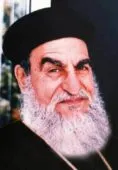
    Professor Aziz Suryal Atiya (1898–1918) was a pioneering Coptologist and historian of Eastern Christianity who had also been an active member of the Sunday School Movement. After many years of academic appointments at universities both within and outside of Egypt, he eventually settled at the University of Utah as Professor of Languages and History, where he developed one of the first academic centres dedicated to Middle East and Arab studies. Among his many publications, he is particularly remembered for his History of Eastern Christianity (1969) and his leading role as editor of the Coptic Encyclopedia.

    Bibliography

    English Works

    Atiya, Aziz S. The History of Eastern Christianity. Notre Dame, IN: University of Notre Dame Press, 1968. (Amazon)

    The Coptic Encyclopedia. 4 volumes. Edited by Aziz S. Atiya. New York, NY: Macmillan, 1991. (Online Version)

    Arabic Works

    “A Note on Mr Wahib Attalla’s Mission” [Mudhakkira bi-shā’n ba‘that al-ustādh Wahīb ‘Atāllah]. Sunday School Magazine 6, no. 5 (Jun 1952), 6–7.

    Further Reading

    Biography of Aziz S. Atiya.” Mariott Library, University of Utah. Accessed Jun 24, 2020.https://lib.utah.edu/collections/middle-east/atiya.php/.

    Hasan, S. S. Christians versus Muslims in Modern Egypt: The Century-Long Struggle for Coptic Equality. Oxford University Press, 2003; page 88.

  • Iris Habib el-Masri

    Iris Habib el-Masri

    1910 – 1994

    Biography

    By Elizabeth Staszak (Fuller Theological Seminary)

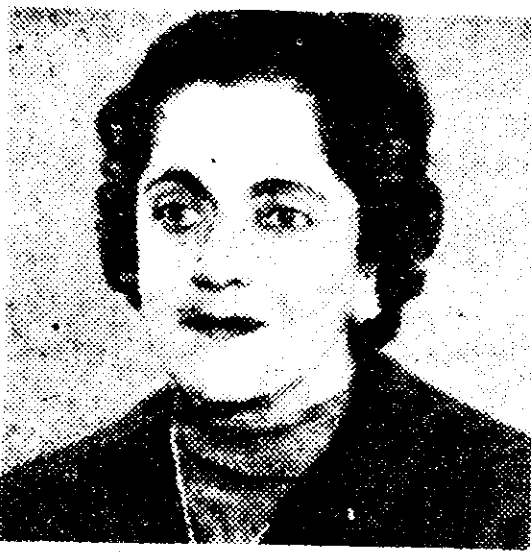
    The scholar and church mother Iris Habib el-Masry (1910–1994) was a significant and perhaps often overlooked contributor to the canons of Coptic Orthodox history and theology. She was born in 1910 in Egypt and died in 1994. She is best-known for her historical works, especially her volumes known in English as The Story of the Copts. El-Masry did not only endeavour to write these volumes in her lifetime, but also wrote articles and gave lectures about the history of the Coptic church.[fn]Saad Michael Saad, “Iris Habib El-Masry: A Pioneer of Coptic Feminine Theology,Coptic Church Review 30, no. 2 (2009): 51[/fn] She was known as the only Coptic historian of her time, and her Story of the Copts remains in high demand for reading in both Arabic and English.[fn]Dora Habib el-Masri, “Portrait of a Historian: Iris Habib El-Masri (1910–1994),” Coptic Church Review 22, no. 3 (2001): 86, 92–93.[/fn] Three Coptic Patriarchs recognised her great faith and intellect, commissioning her service for the church by appointing her to various positions. In 1954, Pope Yousab II had el-Masry as his private secretary for correspondence with the World Council of Churches.[fn]Dora el-Masri, “Portrait,” 88.[/fn] In 1966, Pope Kyrillos VI appointed her Counsellor to Coptic Girls.[fn]Dora el-Masri, “Portrait,” 88.[/fn] In 1972, Pope Shenouda III made el-Masry a member of the committee which was to re-write the Coptic Synaxarium.[fn]Dora el-Masri, “Portrait,” 89.[/fn]

    Iris Habib el-Masry was guided in her writing efforts by Fr Bishoy Kamel and was commended for her scholarly, faithful efforts to document the history of the Coptic church by the beloved Fr Matthew the Poor.[fn]Dora el-Masri, “Portrait,” 88–90.[/fn] The Coptic scholar Saad Michael Saad has highlighted the many hats el-Masry wore during her lifetime, including scholar, theologian, and politician[fn]Saad, “Pioneer,” 51–52.[/fn] Most illuminating and less well-known are her contributions to what Saad refers to as “feminine theology,” the results of which are in line with Scriptures and the teachings of the church fathers and mothers.[fn]Saad, “Pioneer,” 53.[/fn] El-Masry explores the ways in which God is described with feminine attributes in the Bible, and the roles of women in both Old and New Testaments as bearers of the Gospel, as teachers, as equal to men, and as apostles.[fn]Saad, “Pioneer,” 53–4.[/fn] Though many of her works about feminine theology are unavailable in English or entirely out of print, her efforts have not been completely erased, preserved by those who knew her or were impacted by her work in and for the church.

    Bibliography

    Books

    Introduction to the Coptic ChurchDar El Alam El Arabi, 1977

    The Story of the Copts. 2 vols. Cairo: The Middle East Council of Churches, 1977.

    • English version: The Story of the Copts: The True Story of Christianity in Egypt. 2 vols. Newberry Springs, CA: St Antony Monastery, n.d. (Part 1Part 2)

    The Modern Woman Facing Christ [al-Mar’āa al-‘aṣriyya fī muwajahat al-Masīḥ]. Cairo: al-Mahabba, 1979.

    Meditations on the Song of Songs [Ta‘āmulāt fī sifr nashīd al-anshād]. Cairo: al-Qahira al-Haditha Li-l-Taba‘a, 1981.

    Why Did We Forget? [Limādha nasīnā?] Cairo: al-Mahabba, 1986.

    Once Again, the Woman [Wa marra ukhrā al-mar’ā] Cairo, Egypt: al-Mahabba, 1988.

    Guirguis the Torchbearer. Translated from Arabic. St Mary & St Moses Abbey Press, 2022. (Amazon)

    Articles

    “Fear and Frightening” [al-Khūf wa-l-takhwīfSunday School Magazine 1, no. 5 (August 1947): 30–32.

    “The Mission of a Teacher” [Risālat al-mu‘allim]. Sunday School Magazine 1, no. 11 (Feb 1948): 24–25.

    “We are All Soldiers of the Church” [Kullina junūd li-l-kanīsa]. Sunday School Magazine 3, no. 4 (July 1949): 21–24.

    “Some Thoughts and Advice” [Khaṭarāt wa ‘ibar]. al-Haqq 4, no. 2 (October 1950): 11–13.

    “Your Mother” [Ummuka]Sunday School Magazine 6, no. 1 (January 1952): 14–15.

    “What has the Church Provided for the Blind?” [Mādhā a‘addat al-kanīsa li-l-makfūfīn?Sunday School Magazine 9, no. 9 (1955): 54–55.

    “The Ministry of Women in the Church” [Khidmat al-mar’ā fī al-kanīsa]. al-Kiraza 1, no. 1 (1965): 30–32.

    “Present-Day Convents in Egypt.” Coptic Church Review 1, no. 4 (Winter 1980): 173–76.

  • Pope Shenouda III

    Pope Shenouda III

    1923 – 2012

    Biography

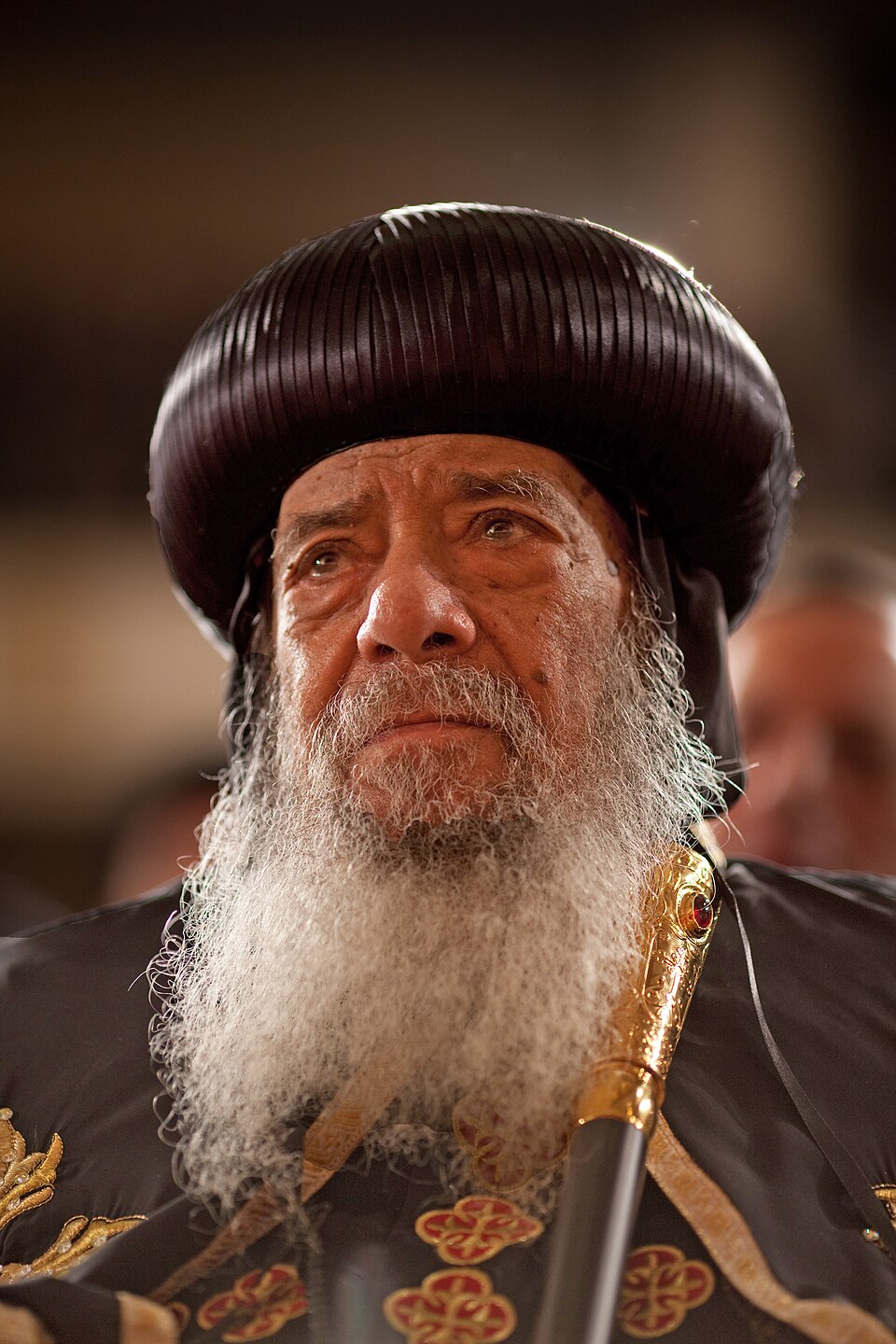
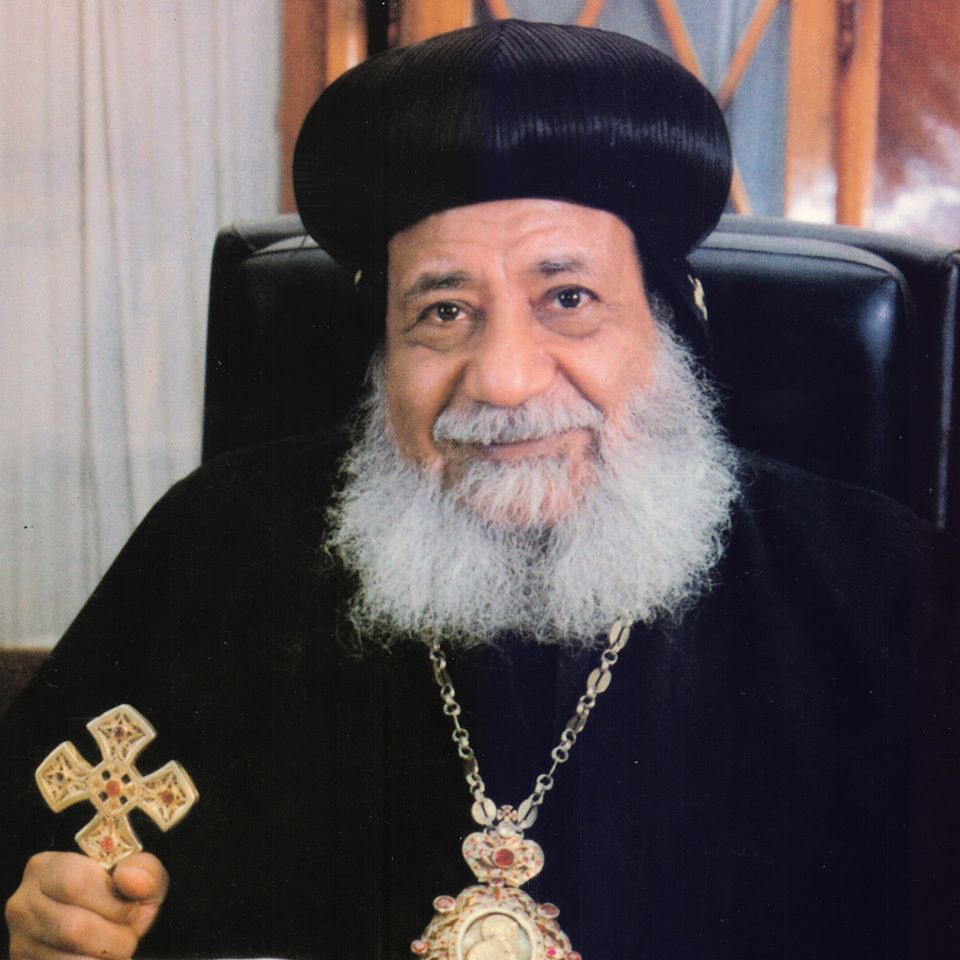
    Pope Shenouda III (1923–2012) was the 117th Pope of the Coptic Orthodox Church. During his papacy he distinguished himself as a prolific writer,  popular preacher and fierce defender of Coptic rights. He remains one of the most influential figures in contemporary Coptic history.

    Available Texts

    Bibliography

    Works

    Pope Shenouda’s literary output is staggeringly large, comprising well over a hundred books of which many were translated into English. He also wrote hundreds of articles in Coptic periodicals (chiefly al-Kiraza, which he founded) and delivered public lectures every week for virtually his entire papacy. A full list of his entire oeuvre would be a significant undertaking. A more realistic goal (and one of potentially greater academic interest) would be a chronological list of the books and articles he published at different stage of his life, i.e. as Nazir Gayyid, Fr Antonios al-Suryani and Bishop Shenouda of Education. This page will be updated as progress is made; if you would like to help, please contact us.

    • In the meantime, see the English works hosted at OrthoKairos and Orthodox eBooks, and the Arabic work hosted at Coptic Treasures.

    Secondary Sources

    Gille, Matthias. 2017. Der koptische Papst Schenuda III: Beobachtungen zu Theologie und Biografie. Anwendungsorientierte Religionswissenschaft, vol. 11. Baden-Baden: Tectum Verlag. (Tectum Verlag)

    Fernandez, Alberto Miguel. 1983. “The Coptic Orthodox Salvation Theology of Anba Shenuda III.” MA Dissertation. University of Arizona. Available online at UA Campus Repository.  (PDF)

    O’Mahony, Anthony. “Tradition at the heart of renewal: the Coptic Orthodox Church and Monasticism in Modern Egypt”, International Journal for the Study of the Christian Church 7, no. 3 (2007), 164–178.

  • Fr Matthew the Poor

    Fr Matthew the Poor

    1919 – 2006

    Biography

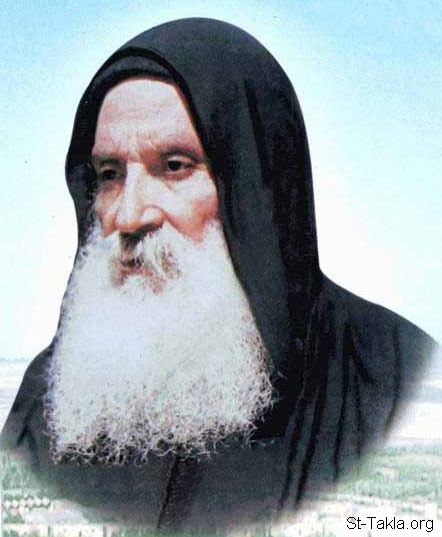
    Fr Matthew the Poor (20 Sept 1919—8 June 2006) was the spiritual leader of the Monastery of St Macarius and one of the most renowned Coptic ascetics and theologians of the twentieth century. In the words of his abbot, Metropolitan Mikhail of Asyut, Abouna Matta was “a brilliant scholar, a turning point, a new level of writing and literary activity through the long period of his monastic life”.[fn]Met. Mikhail, “Obituary for Fr Matthew the Poor” in Autobiography of Fr Matta al-Maskin, iii.[/fn] As recently as 2013, the scholar Samuel Rubenson could describe Fr Matthew as “by far the most discussed and most influential theologian in Arabic-speaking Christianity today.”[fn]Samuel Rubenson, “Matta El-Meskeen”, 415.[/fn]

    Biography

    By Monks of the Monastery of St Macarius

    He was born Yūsuf Iskandar in Banhā, a town in the Delta, 45km north of Cairo, on September 20, 1919. He graduated with a degree in Pharmacy in 1944 and practiced as a pharmacist until 1948.

    On August 19, 1948, he became a monk in the poorest monastery in Egypt, the Monastery of St Samuel the Confessor in Upper Egypt, taking the name ‘Mattá’ (Matthew). At the Monastery of St Samuel, he started writing his first book, Orthodox Prayer Life.

    He was forced to move to Dayr al-Suryān (Monastery of the Syrians) in Wādī al-Naṭrūn in 1951 where he was ordained a priest. He lived a solitary life, a fair distance from the monastery. After two years, Abba Matta was asked to be the spiritual father of the monastery. At that time he greatly contributed to the revival of the Coptic monastic life. He rediscovered the spirit of the great Fathers of the Desert and became a leading model, having received great grace in matters of fatherhood.

    In 1952 at Dayr al-Suryān, he published his first book in Arabic, Orthodox Prayer Life. The second and expanded edition was published in 1968. Orthodox Prayer Life was later translated into French in 1977, Italian in 1998, English in 2002, German in 2007, Ukrainian in 2011 and Hungarian in 2016.

    In 1954 Pope Yūsāb (Joseph) II, Patriarch of Alexandria, appointed him as patriarchal vicar for Alexandria after elevating hi clerical rank to hegumen. Abba Matta stayed in this position for two years. At the beginning of 1955, he chose to return to the life of stillness in the desert at Dayr al-Suryān. In mid-1956, he left Dayr al-Suryān and returned to the Monastery of St Samuel, seeking greater solitude. He lived as a hermit in the cave of Wādī al-Rayyān ith his disciples from 1960–1969.

    In 1969, Pope Kyrillos VI called Abba Matta and his disciple monks to move to Dayr Anbā Maqār (the Monastery of St Macarius), situated halfway between Cairo and Alexandria in the desert of Wādī al-Naṭrūn. The monks found the fourth century monastery in ruins. Since that time, a great revival within the monastery occurred, both spiritually and architecturally. In 2019, there were 130 monks in addition to great land that surrounds the monastery for agriculture.

    At Dayr Abū Maqār, Abba Matta penned, until his last breath, many different works that cover vast topics such as mystical spirituality, monastic, spiritual books, in addition to historical researches and Biblical commentaries. His books are now translated into 18 languages.
     

    Bibliography

    A. Primary Texts

    Over his long life, Fr Matta wrote a huge number of books and pamphlets; as a rough approximation, the online store of St Macarius’ Monastery lists well over 180 distinct publications (although many of these are short pamphlets of about 20 or 30 pages). If the list were expanded to include his magazine articles, interviews and recorded sermons, the bibliography would swell even further.

    In English, there are at least two comprehensive bibliographies: the first in Fayek M. Ishak’s Spiritual Treasury of Fr Matthew the Poor (Amazon, Coptologia) and the second compiled by the website Spiritualité Orthodoxe (PDF). A number of Fr Matthew’s smaller translated works are available on OrthoKairos.

    • “Interview with His Reverence Fr. Matta Al-Maskin.” (Interview by Fayek M. Ishak) Coptologia 3 (1982): 15–38. (Coptologia III)
    • Communion of Love. Crestwood, NY: St Vladimir’s Seminary Press, 1984. (Amazon)
    • “My Interview with His Reverence Fr. Matta Al-Maskin.” (Interview by Fayek M. Ishak) Coptologia 9 (1988): 25–37. (Coptologia IX)
    • Orthodox Prayer Life: The Interior Way. Crestwood, NY: St Vladimir’s Seminary Press, 2003. (Amazon)
    • The Passion of Jesus Christ in our Life. 3rd edn. St Macarius Monastery, 2008. (PDF)
    • The Titles of Christ. Orthodox Research Institute, 2008. (Amazon
    • Words for Our Time: The Spiritual Words of Matthew the Poor. Translated by James Helmy. Chesterton, IN: Conciliar Press, 2012. (Amazon)
    • Saint Anthony: A Biblical Ascetic. Putty, NSW: St Shenouda Monastery, 2014. (Amazon)
    • Words for Our Lives: The Spiritual Words of Matthew the Poor. Volume 2. Translated by James Helmy. Chesterton, IN: Ancient Faith Publishing, 2016. (Amazon
    • If You Love Me: Serving Christ and the Church in Spirit and Truth. Translated by James Helmy. Chesterton, IN: Ancient Faith Publishing, 2018. (Amazon
    • Sojourners: Monastic Letters and Spiritual Teachings from the Desert. Edited and translated by Monks from the Monastery of St Macarius. Monastery of Saint Macarius the Great, Egypt: St Macarius Press, 2019. (Amazon)

    B. Further Reading

    Davis, Stephen J. “Monastic Revivals.” In Melania: Early Christianity through the Life of One Family, edited by Catherine M. Chin and Caroline T. Schroeder (University of California Press, 2017): 264–7. (On Fr Matta’s treatment of St Melania).

    Davis, Stephen J.  Coptic Christology in Practice (Oxford University Press, 2008): 272–278. (On Fr Matta’s eucharistic theology and controversy with Pope Shenouda III).

    Epiphanius (Bishop). 2018. “The Human and Spiritual Legacy of Fr Matthew the Poor,” Paper presented at Copts in Modernity, St Athanasius Coptic Orthodox Theological College, Melbourne, July 2018. https://epiphaniusmacar.com/the-human-and-spiritual-legacy/. (Web, PDF)

    al-Makari, Basilios. “Fr Matta al-Miskeen.” In The Claremont Coptic Encyclopedia(January 2018). Macmillan/Claremont Graduate University. (PDF)

    Metropolitan Mikhail of Assiut. “Foreword to the Autobiography of Fr Matthew the Poor” in Hegumen Matthew the Poor: The Autobiography. 3rd edn. (Wadi al-Natrun: St Macarius Monastery, 2006): ii–iii.

    Mikhail, Maged S A. “Matta Al-Miskîn.” In The Orthodox Christian World, edited by Augustine Casiday, 359–66. London: Routledge, 2012.

    Rubenson, Samuel. 2013. “Matta El-Meskeen.” In Key Theological Thinkers: From Modern to Postmodern, edited by Staale J. Kristiansen and Svein Rise, 415–25. London: Routledge.

    Rubenson, Samuel. 1997. “Tradition and Renewal in Coptic Theology.” In Between Desert and City: The Coptic Orthodox Church Today, edited by Nelly van Doorn-Harder and Kari Vogt, 35–51. Eugene, OR: Wipf & Stock.

    Watson, John. “Abouna Matta El Meskeen: Contemporary Desert Mystic.” Coptic Church Review 27, nos 3&4 (2006): 66–92. (PDF)

  • Habib Girgis

    Habib Girgis

    1876 – 1951

    Biography

    St. Habib Girgis (1876–1951) was the founder of the Sunday School Movement that initiated sweeping educational and theological reforms in the Coptic Church in the late 19th and early twentieth centuries. For much of his ministry, he was supported by Pope Kyrillos V. In 2012 he was canonised as a saint of the Coptic Church, along with Pope Kyrillos VI.

    Available Texts

    Bibliography

    A. Works

    A comprehensive bibliography of Habib Girgis’ works can be found in Bishop Suriel, Habib Girgis: Coptic Orthodox Educator and a Light in the Darkness (Crestwood, NY: SVS Press, 2017): 264–67.

    B. Further Reading

    Jayson, Casper. “How Sunday School Sparked Revival in Egypt’s Oldest Church” Christianity Today, June 19, 2018, https://www.christianitytoday.com/history/2018/june/habib-girgis-coptic-revival-sunday-school-movement.html.

    Nasim, Sulayman. 1991. “Habib Jirjis”, in Claremont Coptic Encyclopedia, vol. 4. Macmillan/Claremont Graduate University, School of Religion, 1189a–1189b.

    Shenouda III (Pope). “Our Teacher Archdeacon Habib Girgis”. Translated by S. M. Saad. Watani, August 22, 2013, http://en.wataninet.com/coptic-affairs-coptic-affairs/religious/st-habib-girgis/1440/.

    Suriel (Bishop). Habib Girgis: Coptic Orthodox Educator and a Light in the Darkness. Crestwood, NY: St. Vladamir’s Seminary Press, 2017. (Amazon)

    Yanney, Rodolph. “Light in the Darkness: Life of Archdeacon Habib Girgis (1876–1951).” Coptic Church Review 5, no. 2 (1984): 47–52.

  • Bishop Gregorius

    Bishop Gregorius

    1919 – 2001

    Biography

    Bishop Gregorius (Oct 13, 1919–Oct 22, 2001) was the first and only General Bishop for Higher Theological Studies, Coptic Culture and Scientific Research. He was born Wahib ‘Atalla Girgis in Aswan in 1919. He received a Bachelor's degree from the Clerical College (May 1939). He continued to study the humanities at the University of Cairo, earning a Licenciate in Philosophy (July 1944) and a Diploma of Egyptian Antiquities (June 1951). Finally, he undertook a PhD in Egyptology and Coptic Studies at the University of Manchester in the United Kingdom (1952–1955) with a thesis entitled “Greek Words in Coptic Usage”. His broad learning in the humanities is on display in his early contributions to the Sunday School Magazine. He became a monk of Dayr al-Muharraq in 1962, becoming Bakhoum al-Muharraqi. Pope Kyrillos VI ordained him General Bishop for Higher Theological Studies, Coptic Culture and Scientific Research in 1967.

    Bibliography

    Works

    Bishop Gregorius’ written legacy is enormous, on a par with those of Pope Shenouda III and Fr Matta al-Miskin. If you can supply any works that are missing, especially letters or voice recordings, please contact us. A bibliography is currently being compiled and will be uploaded soon.

    The most important collection of Bishop Gregorius’ written works, including previously unpublished primary sources, is Monier Ateya’s Mawsū‘at al-Anba Ghrīghūryūs, most of which can be downloaded here or on Coptic Treasures.

    Further Reading

    Casey, John. After Lives: A Guide to Heaven, Hell, and Purgatory, Oxford University Press, 2009 (on pages 369–399).

    Guirguis, M. & van Doorn-Harder, N. The Emergence of the Modern Coptic Papacy. The Popes of Egypt: A History of the Coptic Church and Its Patriarchs, Volume 3. Cairo: American University in Cairo Press, 2011.

    Hasan, S. S. Christians versus Muslims in Modern Egypt: The Century-Long Struggle for Coptic Equality, Oxford University Press, 2003 (pages 86, 88, 89, 111, 159, 205, 226–27, 246).


  • Fouad Naguib Youssef

    Fouad Naguib Youssef

    1934 – 2025

    Biography

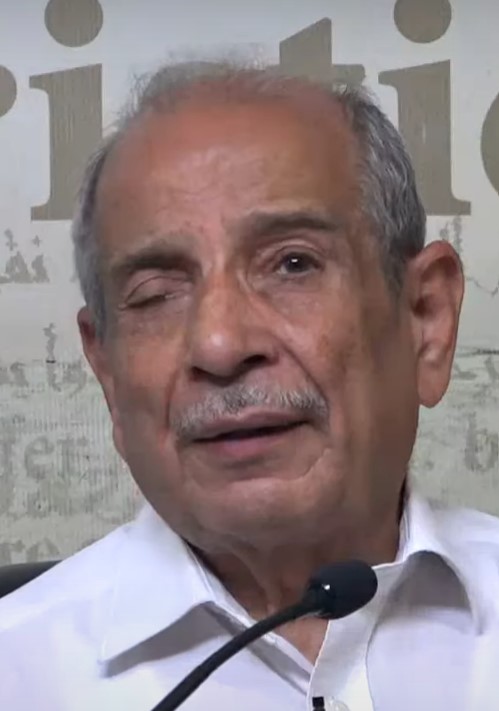
    Fouad Naguib Youssef was a patristic and liturgical theologian. As part of the Sunday School Movement, he was discipled by both Naẓīr Gayyid (Pope Shenouda III) and Fr Matthew the Poor.[fn]Fouad Naguib Youssef, “Fr Matthew the Poor,” Bose Monastery, May 2016.[/fn] He was the chief editor of the Word of Life magazine, an English/Arabic publication of St Mark’s Orthodox Fellowship.

    Bibliography

    A Systematic Study of the Liturgical Lectionaries of the Coptic Church [Dirāsa manhajiyya li-l-qirā’āt al-lītūrjiyya li-l-kanīsa al-Qibṭiyya]. Philopatir Print Centre, 2010.

    Encountering the Word of God [Liqā’ ma‘ kalimat Allah]. G. C. Centre, 2010.

    I Am: An Explanatory Study of Christian Doctrine [Ānā huwwa: dirāsa tawḍīḥiyya li-l-’aqīda al-Masīḥiyya]. Masr Gedida: G. C. Centre, 2015.

    A Research Paper on the Development of Religious Institutes and Clerical Colleges [Waraqa baḥthiyya ḥawl taṭwīr al-ma‘āhid al-dīniyya wa-l-kulliyāt al-iklīrīkiyya]. St Mark’s Orthodox Fellowship, n.d.

  • Raghib Abdelnour

    Raghib Abdelnour

    1917 – 1996

    Biography

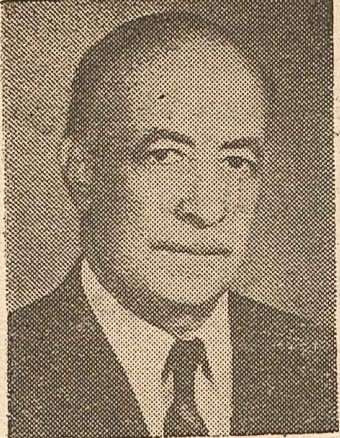
    Dr Raghib Abdelnour (1917–1996) was a prominent member of the Sunday School movement and early mentor to Nazir Gayyid (Pope Shenouda III) and Fr Bishoy Kamel. His writings are mostly theological commentaries on Scripture. He also translated excerpts of Origen’s Commentary on the Song of Songs in early issues of al-Kiraza. 

    Bibliography

    Raghib Abdelnour published many articles in the Sunday School Magazine and al-Kiraza, as well as several books. This list is constantly being updated. If you are interested in helping to compile a list of his works, please contact us.

    Articles
    • “Studies in Genesis: The First Day.” Sunday School Magazine vol. 1, no. 11 (Feb 1948): 19–23 (PDF)
    • “The Exodus of the Lord.” al-Kiraza vol. 6, no. 45 (Nov 1975): 10–11.
    • “The Waters Have Come Up to My Head.” al-Kiraza vol. 7, no. 8 (Feb 1976): 12.
    Books

    God Was Manifested in the Flesh [Allah ẓahara fī al-jasad]. al-Aqsar: The Church of St Mary and St Antonios, 1980. (PDF)

    The Sacrifice of the Cross in the Book of Genesis [Dhabīḥat al-ṣalīb fī sifar al-takwīn]. Cairo: Dar Matba‘a al-‘alam al-‘arabi, n.d. (PDF)


  • Bishop Samuel

    Bishop Samuel

    1920 – 1981

    Biography

    Bishop Samuel (Dec 8, 1920–Oct 6, 1981) was the first General Bishop of Public, Ecumenical and Social Services. He played a key role in the establishment of communities in the Coptic diaspora, and represented the Coptic Church in numerous ecumenical settings during the reigns of three successive patriarchs (Yusab II, Kyrillos VI and Shenouda III). 

    Born Saad Aziz, he grew up in Giza, which was a particularly active centre for the Sunday School Movement, in which he became an active participant.[fn]On Saad Aziz’s early formation within the Giza School, see Daniel Fanous, A Silent Patriarch: Kyrillos VI (Yonkers, NY: St Vladimir’s Seminary Press, 2019): 164; Samuel Tadros, Motherland Lost: The Egyptian Quest for Modernity (Stanford, CA: Hoover Institution Press, 2013): 170–71.[/fn] He received an extensive university education: a Bachelor of Law from the University of Cairo (1942), a Diploma in Theology from the Coptic Theological Seminary (1944) and Bachelor of Arts from the American University in Cairo (also 1944).[fn]John H. Watson, Among the Copts (Brighton, UK: Sussex Academic Press, 2000): 100.[/fn]

    He was consecrated as a monk under the guidance Fr Mina the Solitary (the future Pope Kyrillos VI) in 1948, initially for the monastery of St Samuel, but within a few months he had moved to the Syrian Monastery and taken the name Macarius al-Suryani. 

    In 1954, he travelled to Princeton Theological Seminary in the United States, where he completed an MA thesis on “Ancient and Contemporary Christian Education in the Coptic Church.” [fn]Held in the Alumni Collection at Princeton Theological Seminary Library. He is listed in the alumni record as “Makary, Samuel Souriany”.[/fn]

    When Fr Mina the Solitary became Pope Kyrillos VI in 1959, Fr Makary served as his aide and secretary, before being ordained as a general bishop in 1962, taking the name Bishop Samuel. 

    On October 6, 1981, he was fatally wounded during the assassination of Anwar Sadat and died later in hospital.